Chimney Safety Guide for Northeast Ohio Homeowners
Your chimney is one of the hardest-working systems in your home — and one of the most dangerous when neglected. From creosote fires to carbon monoxide back-drafting, the risks are real and preventable. This guide covers everything Medina County, Summit County, and Northeast Ohio homeowners need to know to keep their families safe.
Annual Chimney Inspections Save Lives
The National Fire Protection Association (NFPA 211) recommends that all chimneys, fireplaces, and venting systems be inspected at least once per year. A Level I inspection covers the readily accessible portions of your chimney interior and exterior, including the chimney connection and appliance installation. A Level II inspection — required when you sell your home, change fuel types, or after a chimney fire — includes video scanning of the flue liner. Skipping annual inspections is the leading cause of chimney-related house fires in Ohio.
Creosote: The Hidden Fire Hazard
Creosote is a highly flammable byproduct of burning wood that accumulates on the interior walls of your chimney flue. It exists in three forms: light and flaky (Stage 1), tar-like and crunchy (Stage 2), and hardened glaze (Stage 3). Stage 3 creosote is extremely difficult to remove and dramatically increases the risk of a chimney fire that can reach temperatures exceeding 2,000°F — hot enough to crack flue tiles and ignite nearby framing. Professional chimney cleaning removes creosote before it progresses to dangerous levels.
Carbon Monoxide: The Silent Danger
A blocked, cracked, or deteriorating chimney flue can allow carbon monoxide — a colorless, odorless gas — to back-draft into your living space. Carbon monoxide poisoning is responsible for hundreds of deaths in the United States each year. Common causes include collapsed flue tiles, bird nests or debris blocking the flue, damaged chimney liner joints, and improperly installed appliances. Every home with a gas or wood-burning appliance should have carbon monoxide detectors installed. Annual chimney inspections are the most reliable defense against CO back-drafting.
Water Damage: Ohio's Biggest Chimney Threat
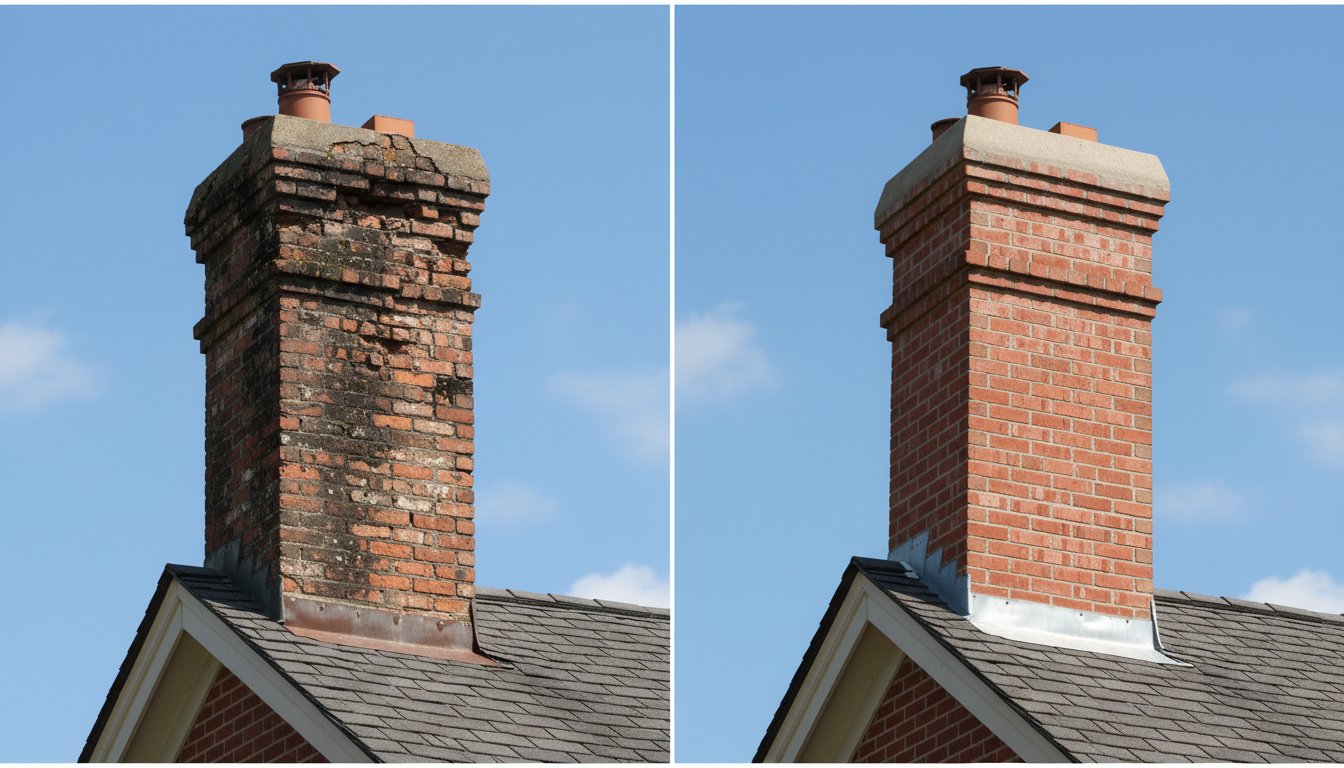
Water is the number one enemy of masonry chimneys in Northeast Ohio. Our region's freeze-thaw cycles — where temperatures repeatedly drop below freezing and rise above it throughout winter — force water trapped in mortar joints and brick pores to expand and contract, fracturing the masonry from the inside out. Signs of water damage include spalling bricks, crumbling mortar joints, white staining (efflorescence), interior water stains near the fireplace, and rusted dampers or firebox components. Preventive measures include chimney waterproofing, crown sealing, quality chimney caps, and regular tuckpointing.
Chimney Caps: Essential Protection
A properly installed chimney cap is one of the most cost-effective ways to protect your chimney. Chimney caps prevent rain and snow from entering the flue directly, keep birds, squirrels, and other animals from nesting inside, block windblown debris from accumulating in the flue, and reduce downdrafts that push smoke back into your home. In Northeast Ohio, we recommend stainless steel chimney caps with mesh screens. Galvanized steel caps corrode within a few years in our climate and can fail without visible warning. We install and replace chimney caps throughout Medina County, Summit County, and surrounding Northeast Ohio.
Chimney Liner Integrity Is Non-Negotiable
Your chimney liner serves three critical functions: it contains combustion byproducts and directs them safely out of your home, it protects the surrounding masonry from heat and corrosive gases, and it provides the correctly sized flue for your appliance. A cracked, deteriorated, or incorrectly sized liner is a serious safety hazard. Clay tile liners — found in most homes built before 1980 — can crack from chimney fires or simple age. Stainless steel liner systems offer superior durability and are the preferred solution for relining chimneys throughout Ohio. Never operate a fireplace or heating appliance without a sound, properly sized liner.
Chimney Safety Checklist for Ohio Homeowners
- Schedule a professional chimney inspection every year — before heating season
- Have your chimney cleaned annually if you burn wood regularly
- Install working carbon monoxide detectors on every floor of your home
- Check your chimney cap every spring for rust, damage, or blockages
- Look for crumbling mortar joints and schedule tuckpointing before winter
- Ensure your chimney crown has no cracks — seal or repair before freeze season
- Never burn treated wood, trash, or accelerants in your fireplace
- Keep the area around your fireplace clear of flammable materials
- Use a fireplace screen to contain sparks
- If you suspect a chimney fire (loud roar, dense smoke, visible flames from top), evacuate and call 911 immediately
Chimney Professionals and Masonry is a CSIA-certified, veteran-owned chimney safety and masonry company based in Medina, Ohio. We serve all of Medina County, Summit County, Cuyahoga County, and surrounding Northeast Ohio communities. For a free chimney safety inspection, call (330) 230-9091 or request online.